
The construction industry is rapidly transforming through digital technologies, and Building Information Modeling (BIM) is at the center of this revolution. BIM enables architects, engineers, and construction professionals to manage the entire building lifecycle using accurate and intelligent structural data. From initial design to demolition, BIM ensures that every stage of a building project is optimized for efficiency, cost control, and sustainability.
In this article, we explore how structural data in BIM empowers better decision-making and improves building lifecycle management.

Building Information Modeling (BIM) is a digital representation of a building’s physical and functional characteristics. Unlike traditional 2D drawings, BIM creates a data-rich 3D model that contains information about materials, structural components, schedules, costs, and maintenance requirements.
BIM allows multiple stakeholders—architects, engineers, contractors, and facility managers—to collaborate within a single shared model. This improves communication and reduces errors throughout the project lifecycle.
Intelligent 3D modeling
Real-time collaboration
Data-driven decision making
Lifecycle management integration
Improved visualization and simulation
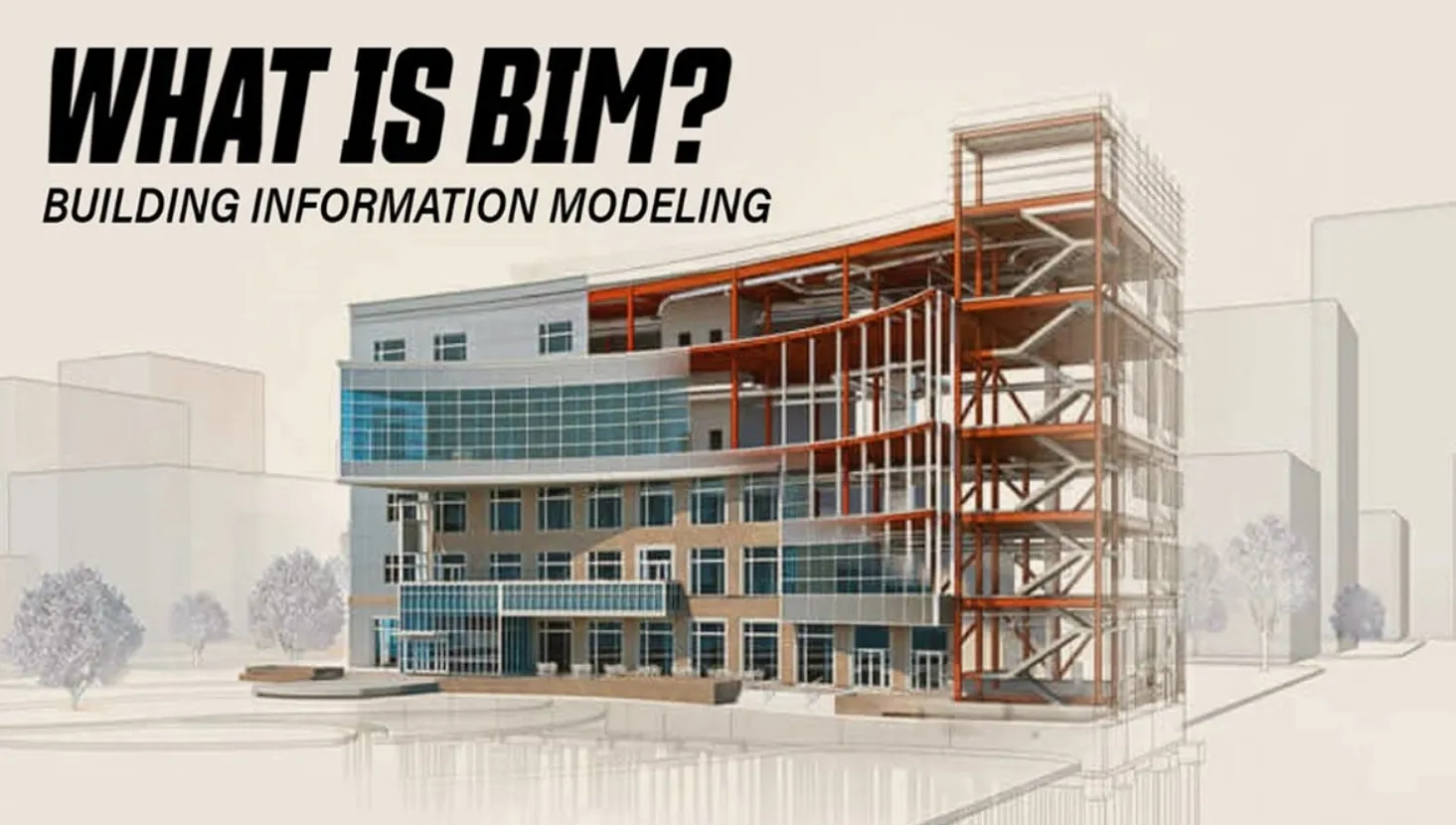
Structural data forms the backbone of BIM models. It includes detailed information about beams, columns, slabs, load calculations, materials, and reinforcement. With accurate structural data, project teams can analyze building performance before construction even begins.
1. Improved Structural Accuracy
Engineers can perform precise structural analysis directly within BIM models, ensuring the building meets safety and regulatory standards.
2. Clash Detection
BIM identifies conflicts between structural, mechanical, electrical, and plumbing systems early in the design phase, preventing costly errors during construction.
3. Enhanced Collaboration
Structural data within BIM allows architects, structural engineers, and contractors to work on the same model, improving coordination and reducing miscommunication.
4. Faster Design Iterations
Changes to structural elements automatically update across the BIM model, saving time and maintaining consistency.
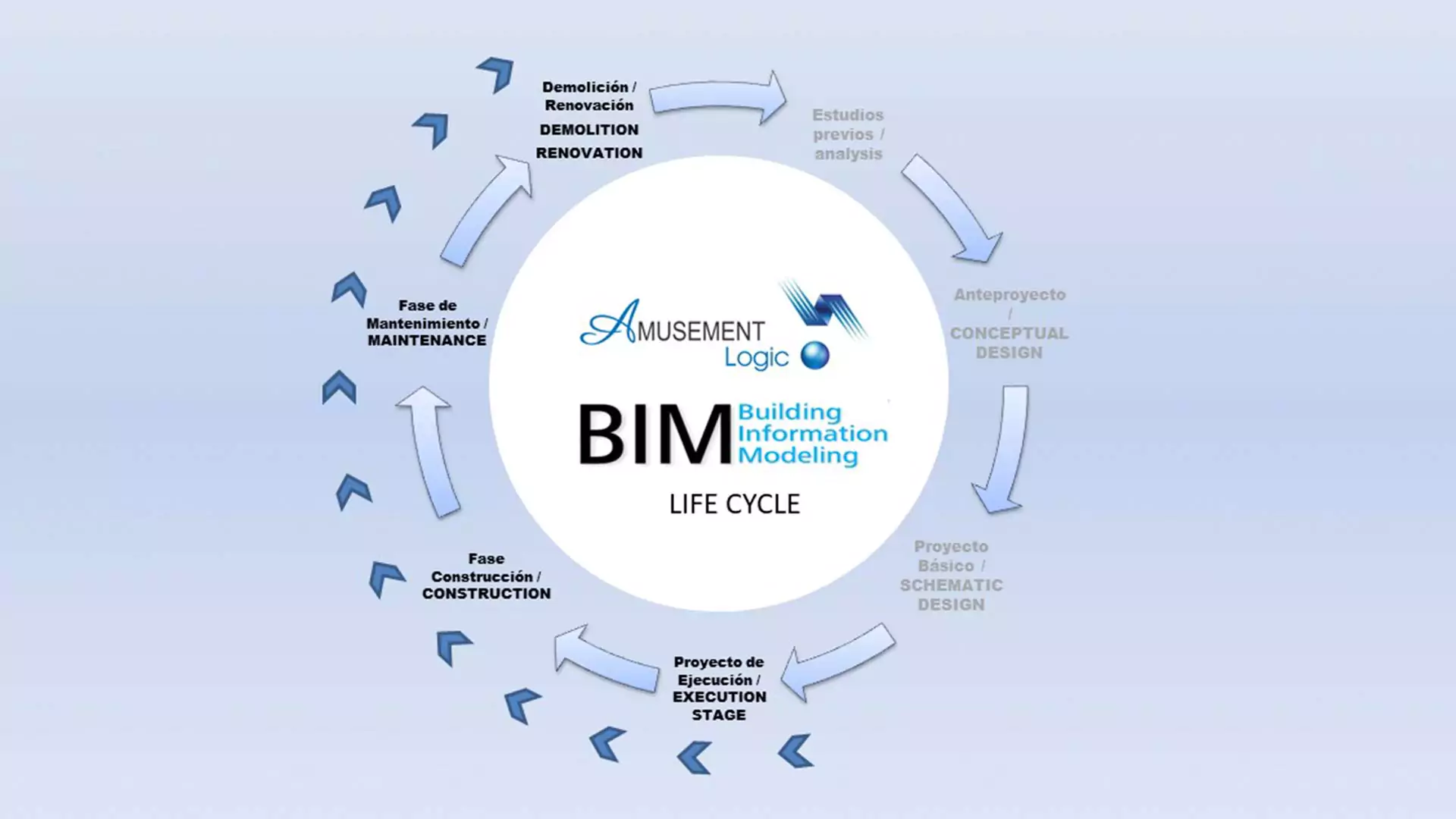
One of the greatest strengths of BIM is its ability to support the entire lifecycle of a building.
During the design phase, BIM enables architects and engineers to develop intelligent structural models. These models include material specifications, structural loads, and performance data.
Benefits include:
Better visualization of complex structures
Early detection of design issues
Data-driven design decisions
During construction, BIM models guide contractors and project managers. Structural data helps ensure that construction follows the exact specifications.
Key advantages:
Accurate quantity takeoffs
Reduced construction errors
Improved project scheduling (4D BIM)
Cost estimation (5D BIM)
After construction, BIM becomes a valuable tool for facility management. Structural data helps building owners track maintenance schedules, monitor performance, and plan renovations.
Facility managers can use BIM to:
Monitor structural conditions
Schedule inspections
Manage building assets
Reduce operational costs
Even at the end of a building’s life, BIM data remains useful. Structural information helps engineers safely plan renovations or demolition while minimizing risks.
With the rise of smart buildings and digital twins, structural data within BIM models is becoming even more important. Real-time monitoring systems can integrate with BIM to track structural performance over time.
This allows building owners to:
Predict structural maintenance needs
Improve building safety
Optimize energy performance
Extend building lifespan
Artificial Intelligence (AI) is rapidly enhancing the capabilities of Building Information Modeling (BIM). By combining AI with intelligent structural data, engineers and construction professionals can automate repetitive tasks, improve design optimization, and predict structural performance more accurately.
Modern BIM platforms are beginning to integrate AI-powered tools that assist with structural analysis, clash detection, quantity estimation, and risk assessment. These technologies help reduce manual workloads while improving project accuracy and efficiency.
As digital construction continues to evolve, AI-driven BIM workflows will support faster decision-making, smarter infrastructure planning, and more sustainable building practices across the entire project lifecycle.

The power of structural data in BIM is transforming how buildings are designed, constructed, and maintained. By integrating accurate structural information into a shared digital model, BIM supports better collaboration, reduces project risks, and improves lifecycle management.
As the construction industry continues to adopt digital technologies, Building Information Modeling will remain a critical tool for creating smarter, safer, and more sustainable buildings.