
Why Performance-Based Design Matters
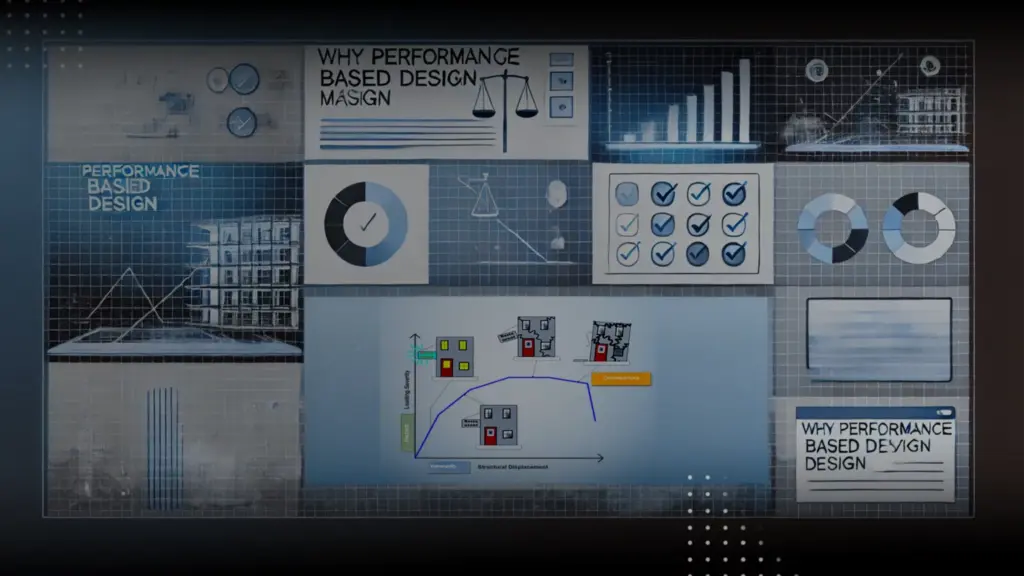
The Core Question: What Does “Safe” Mean? To address structural safety effectively, we must first define what “safe” means. Structures face various hazards throughout their lifespan, such as earthquakes, floods, hurricanes, and fires. Each of these presents different challenges. While we strive to model and account for these hazards, precise predictions are often elusive. Understanding […]
Implementing Performance Based Structural Design

Introduction to Performance-Based Design: Definition & Principles: Understand what performance-based design entails. Learn how it shifts the focus from strictly following prescriptive codes to achieving specific performance outcomes. Benefits & Objectives: Explore how this modern approach provides greater flexibility, fosters innovation, and ensures that buildings perform well under real-world conditions. Prescriptive vs. Performance-Based Design: […]
What Magnitude of Earthquake Was My Structure Designed For?
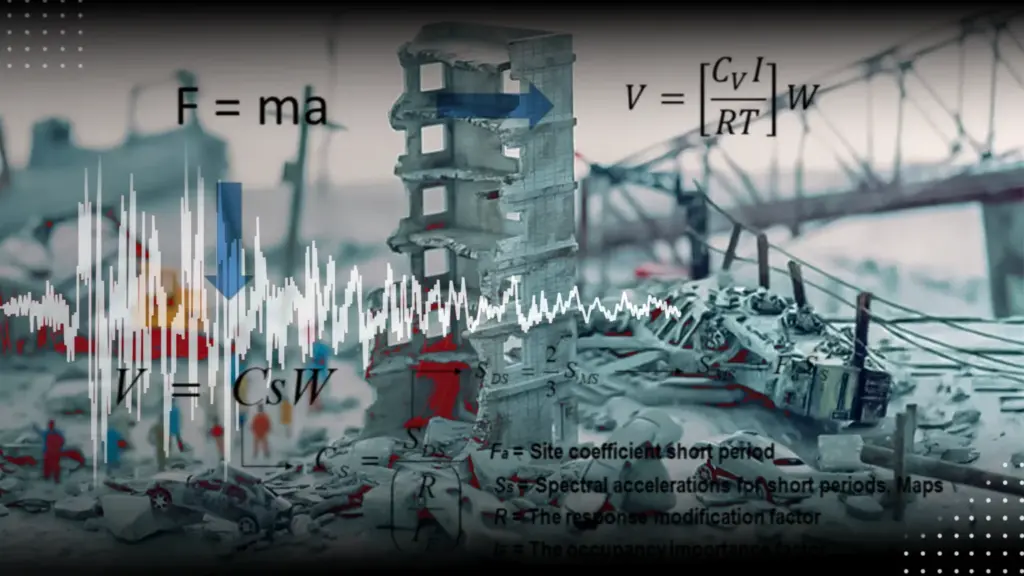
By the end of this video, you’ll understand how engineers connect earthquake magnitude to building safety, offering clearer insights into structural resilience and reassuring stakeholders that modern buildings are designed with rigorous safety margins.
What is Performance-Based Structural Design?
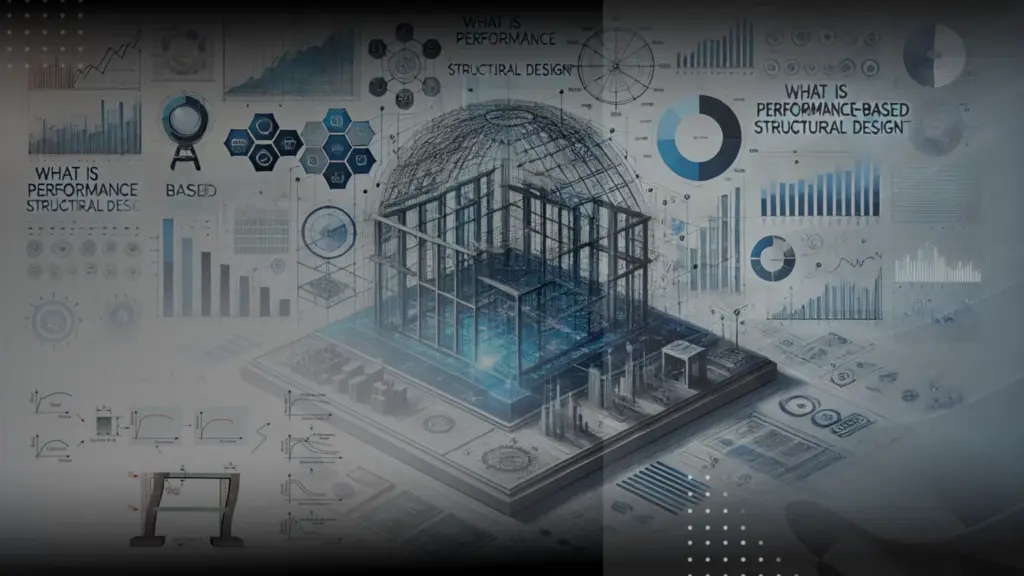
In This Video, You Will Learn: Understanding Structural Safety: We start by addressing the fundamental question: “What does it mean for a structure to be safe?” Discover why it’s crucial to define safety in terms of various potential hazards, such as earthquakes, floods, hurricanes, and fires. Learn how these threats impact structural performance and why […]
Challenges in Modeling of Concrete Frame and Buildings
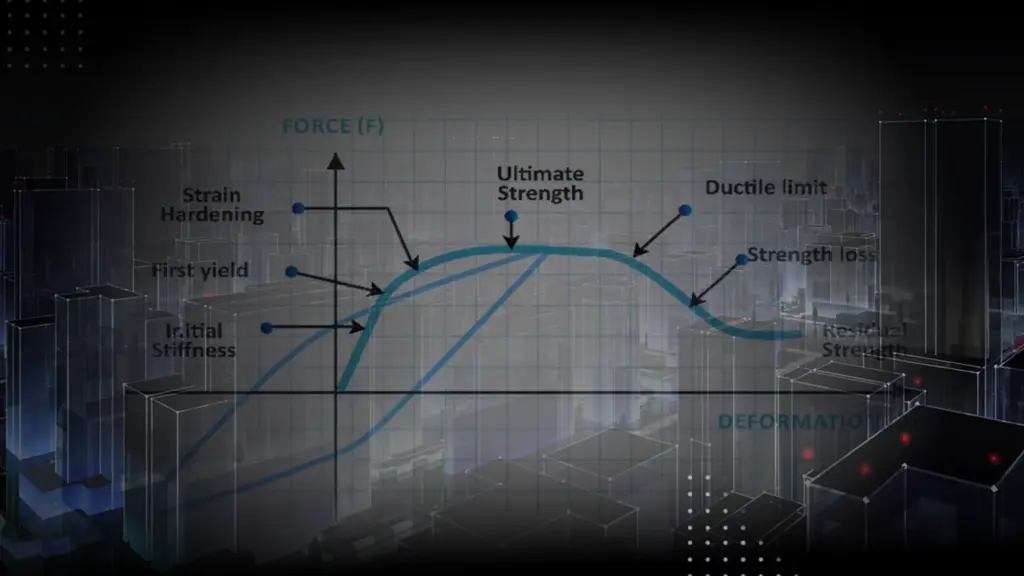
Linear Elastic Models: The Basics Engineers often start with linear elastic models, which assume that concrete frames deform proportionally to the load and return to their original shape once the load is removed. These models, implemented using software like ETABS or SAP2000, can effectively predict basic deflections, bending moments, and shear forces. However, they fail […]
Practical Structural Modeling for Finite Element Analysis
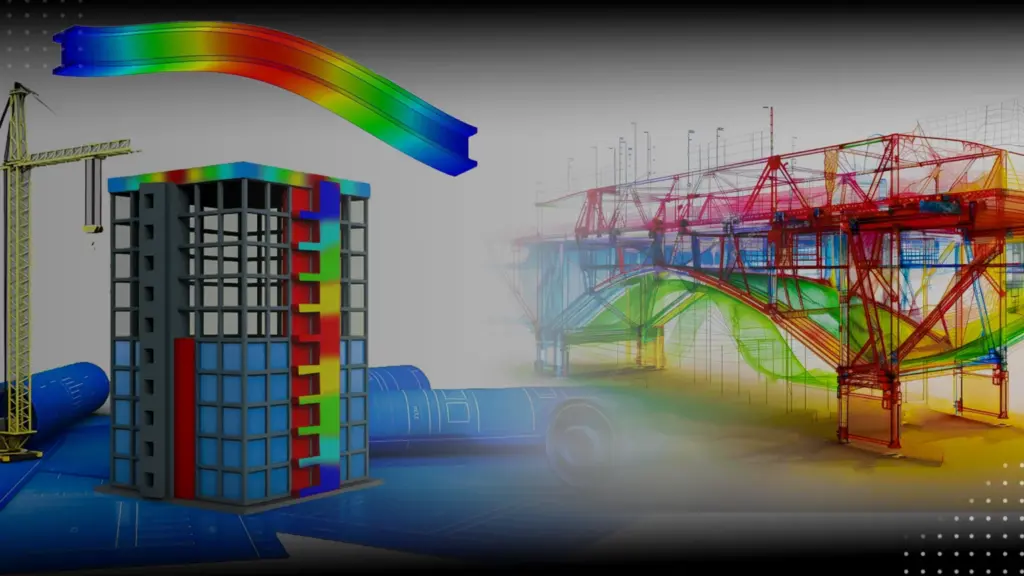
This lecture is designed to help engineers and professionals understand the critical role of modeling in FEA, improve the accuracy of structural designs, and enhance their problem-solving skills in both simple and complex analyses.
Tech Integration in Civil Engineering
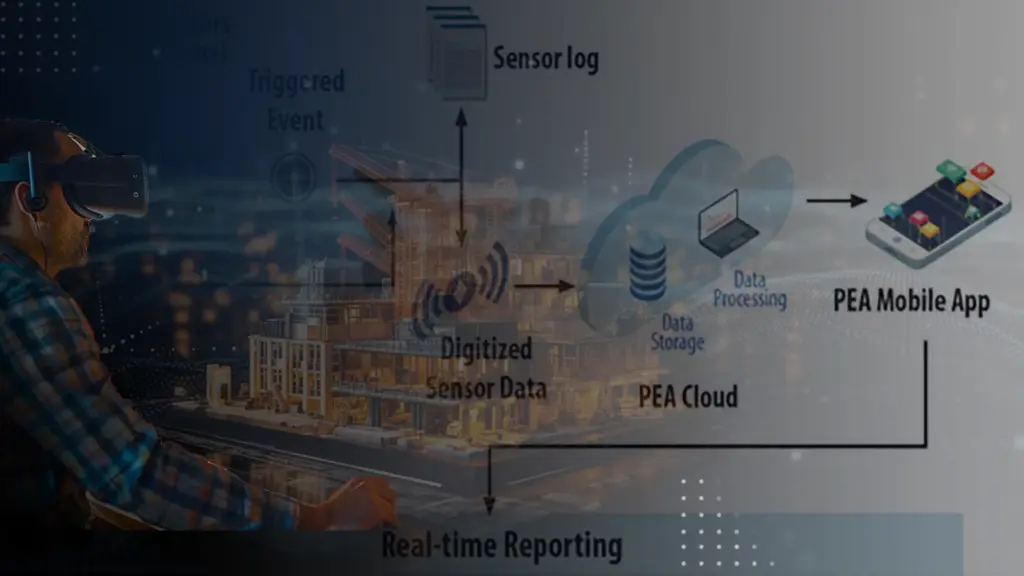
We delve into core technologies reshaping civil engineering, including: Building Information Modeling (BIM): Discover how BIM transforms the design, construction, and maintenance of buildings through enhanced collaboration and accuracy. Artificial Intelligence (AI) and Machine Learning (ML): Learn how AI and ML optimize design processes and predictive maintenance, improving decision-making for engineers. Automation and Robotics: Understand […]
Machine Learning In Structures – Part 1
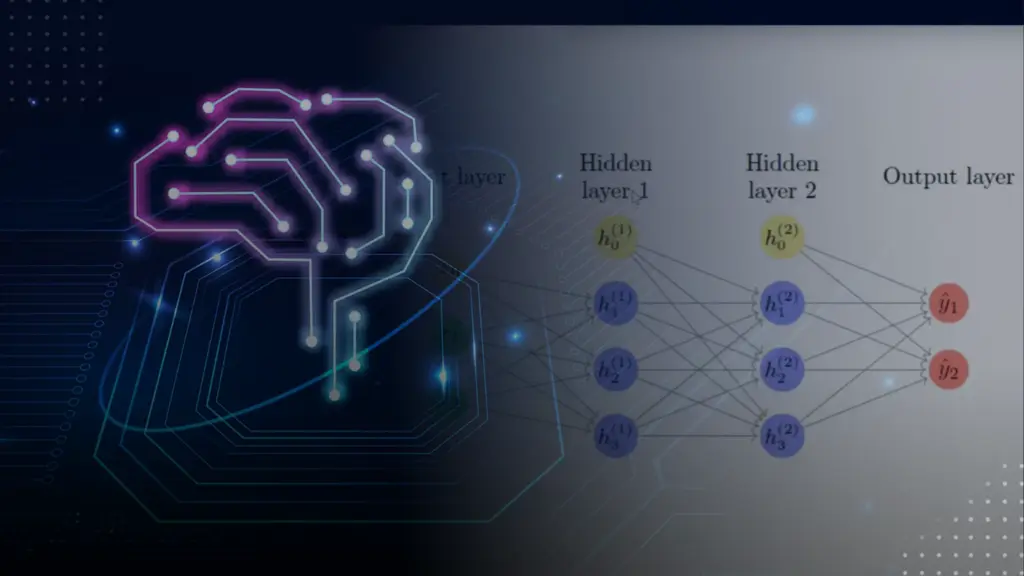
Key topics include AI-powered design iteration for material efficiency, real-time monitoring through IoT sensors for predictive maintenance, and AI’s role in assessing structural integrity against natural disasters. As the industry moves toward smarter, more resilient infrastructure, understanding AI’s potential is crucial for engineers. This lecture provides valuable insights for students, professionals, and researchers looking to […]
Machine Learning in Structures – Part 2
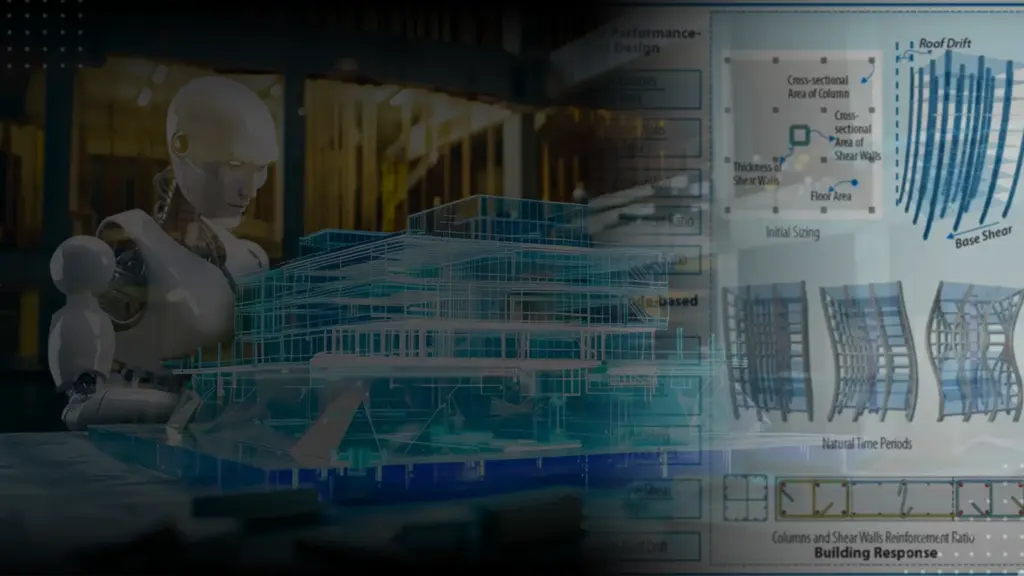
Key topics include data-driven frameworks for improving building efficiency, the role of sensor data in refining structural models, and vision-based AI techniques for structural inspections using drones and smartphones. We also discuss the future of AI in structural engineering and how ongoing research at AIT is driving innovation in sustainability and efficiency.
Performance Based Design and BIM
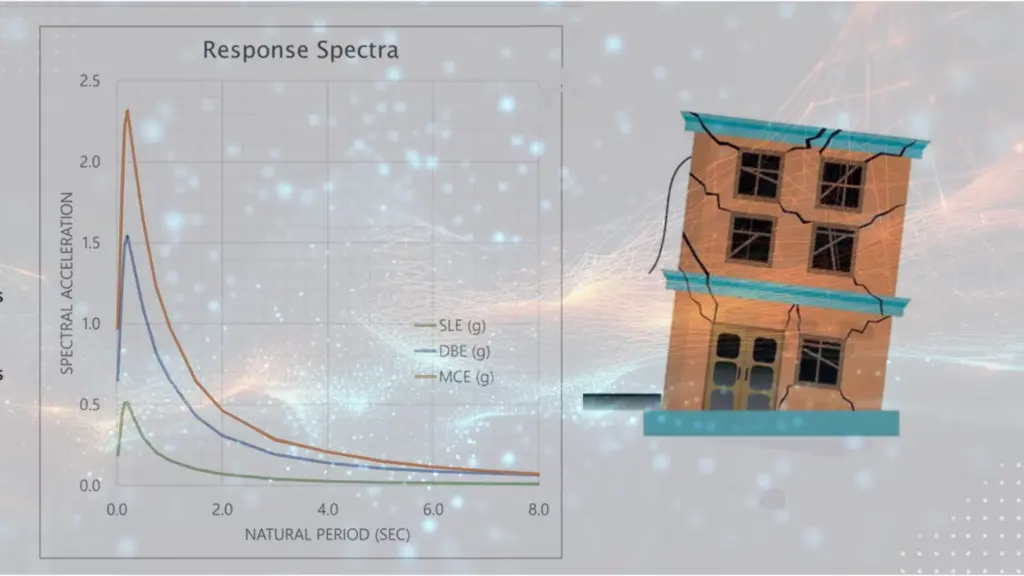
Learn how PBD focuses on precise performance assessments, moving beyond traditional design approaches to risk-based and precision-driven strategies. We discuss its systematic implementation, including hazard level definitions and detailed analysis techniques. Discover how BIM enhances coordination, accuracy, and efficiency by integrating project data into a unified model, improving collaboration among engineers, architects, and stakeholders. The […]