
Future Proofing the Built Environment – Role of Structural Engineers

With a focus on research at institutions like AIT, the video underscores the importance of embracing emerging technologies and interdisciplinary collaboration to enhance the resilience and sustainability of infrastructure. Designed for structural engineers, the video provides valuable insights and strategies to ensure that future infrastructure meets the demands of evolving global challenges while fostering innovation […]
Trends and Advancements In Structural Design of Bridges

The video delves into the role of parametric and generative design in optimizing performance and cost, the challenges of integrating complex geometries into urban environments, and the importance of geotechnical considerations in foundation design. The use of AI, BIM, and collaborative workflows further enhances efficiency and predictive maintenance. Understanding these innovations is essential for structural […]
Artificial Intelligence in Structural Engineering

We examine AI’s ability to process vast datasets, refine project workflows, and provide practical solutions to complex engineering challenges. Real-world examples, including AI’s interpretation of structural diagrams, demonstrate its proficiency in analyzing and applying intricate concepts. The video also highlights how AI supports engineers in bridging gaps between architectural vision and performance-based design, enabling faster, […]
Challenges on Structural Modeling and Analysis of Buildings
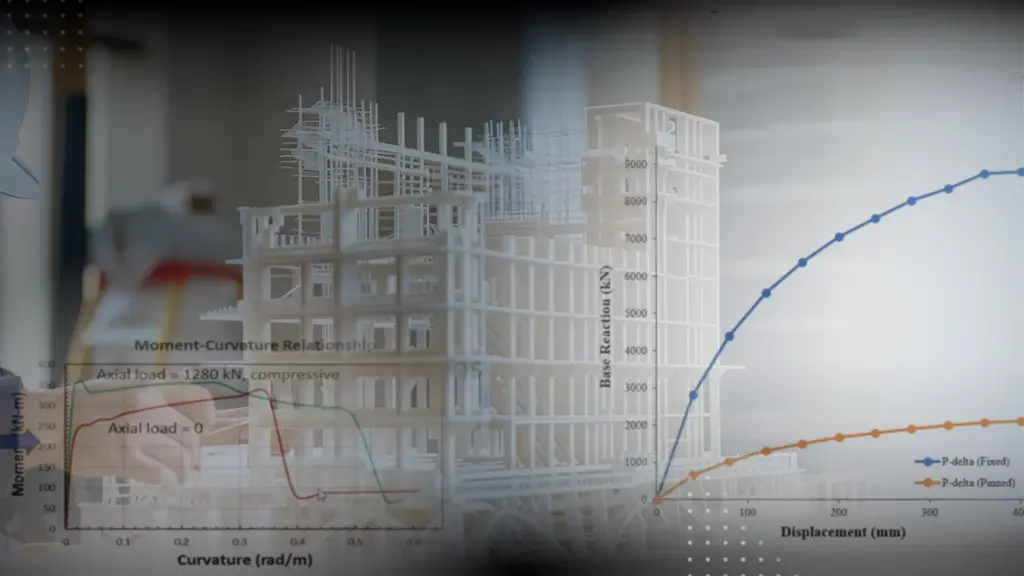
Modeling a Simple Beam: Initial Challenges Modeling a simple beam resting on supports might seem straightforward, but it presents several challenges. Accurately representing support conditions is crucial, as different support types (pin or roller) influence load distribution and deformation. Material representation adds complexity; reinforced concrete, for example, requires careful modeling of both concrete and steel […]
Designing and Constructing a Ferrocement Building
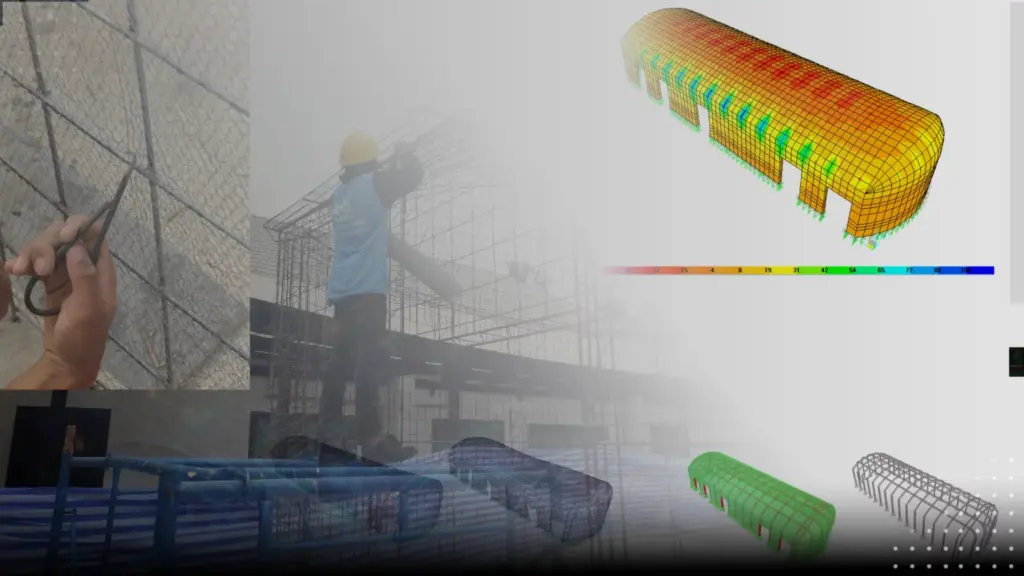
What is Ferrocement? A Brief History Before diving into the AIT project, it’s important to understand the material. Ferrocement, invented in the 1850s, uses layers of wire mesh reinforced with cement mortar to create thin, strong, and complex shapes, initially popularized in boat building. The AIT Ferrocement Building Project Overview The project involved adding […]
Building Lifecycle with BIM – The Power of Structural Data
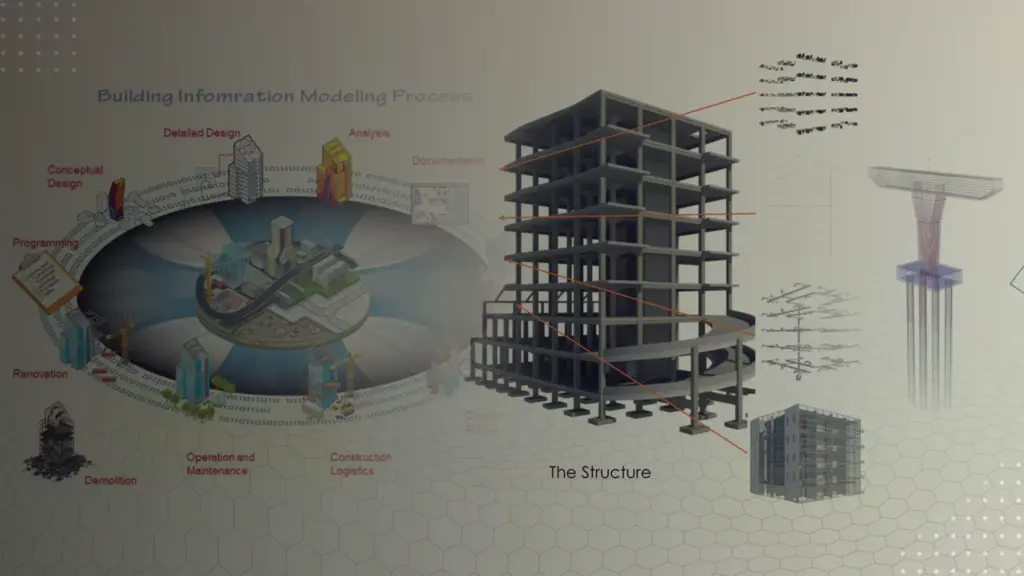
A well-developed structural information model can provide value far beyond analysis and design. When integrated into BIM workflows, construction planning, detailing, monitoring, and facility management, structural data becomes a long-term resource for improving project coordination, performance, sustainability, and lifecycle management. This approach highlights the need for structural engineers to take a more active role in […]
Application of BIM in Real Estate Projects

It introduces the fundamentals of BIM, the evolution of standards like IFC and BCF, and the creation of digital twins for real estate projects. The video also addresses common challenges in BIM adoption, such as initial costs and interoperability, while highlighting the efforts of organizations like the Construction Specifications Institute (CSI) in driving innovation and […]
Accelerating Bridge Design Workflow
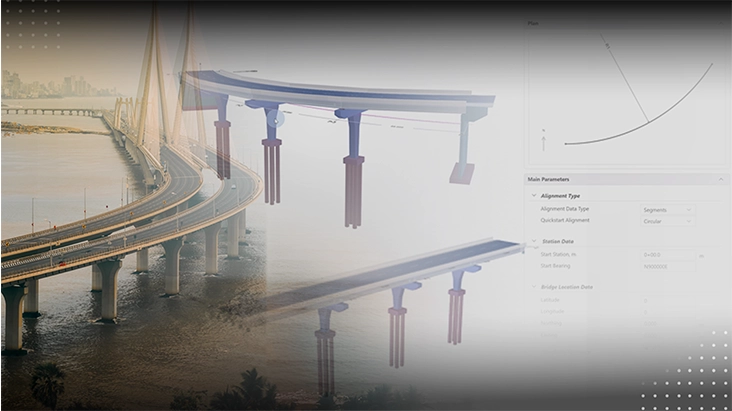
Key innovations like parametric modeling enable reusable, standardized components, significantly reducing design time. AI-powered tools automate repetitive tasks, allowing engineers to focus on more complex aspects of design. The video also signifies the benefits of digital workflows, 3D modeling, and virtual reality (VR) for enhanced collaboration and communication. Additionally, geotechnical data integration and digital twins, […]
Fundamentals of Seismic Design of Bridges
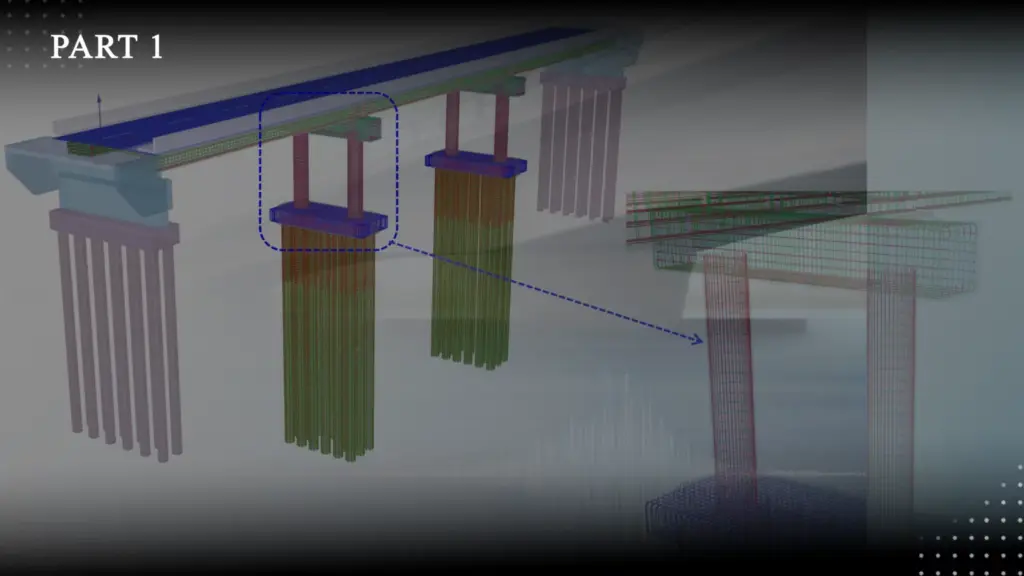
This lecture benefits structural engineers by providing insights into modern seismic analysis methods, including non-linear modeling, and practical tools like damping systems and isolation techniques. Whether for designing new infrastructure or retrofitting existing structures, the knowledge shared in this video equips engineers with the tools to address seismic challenges effectively.
Building Lifecycle with BIM l The Power of structural data
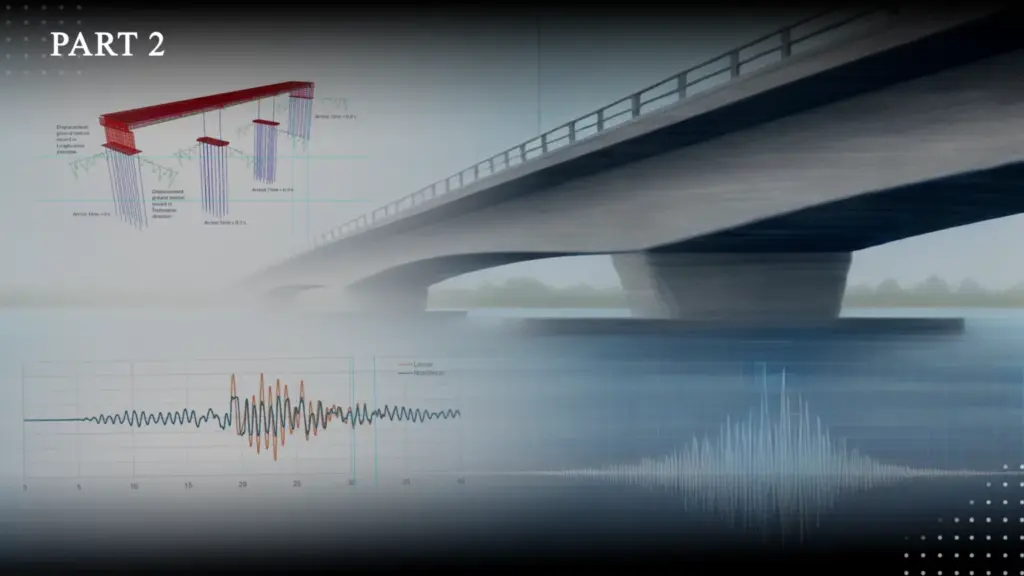
Key methods include response spectrum analysis to evaluate dynamic responses under seismic loading and push-over analysis to study the structure’s behavior under increasing lateral forces. The video also demonstrates nonlinear time history analysis using real ground motion data to simulate bridge responses during actual earthquakes. A comparison of linear and nonlinear results highlights the benefits […]